
Many paint contractors and plaster professionals reach a point where standard coating or plaster work starts to feel increasingly competitive. Pricing pressure grows, clients compare bids more closely, and projects begin to look similar from one job to the next. At the same time, homeowners, designers, and builders are asking more often about texture, depth, and specialty finishes that go beyond flat color.
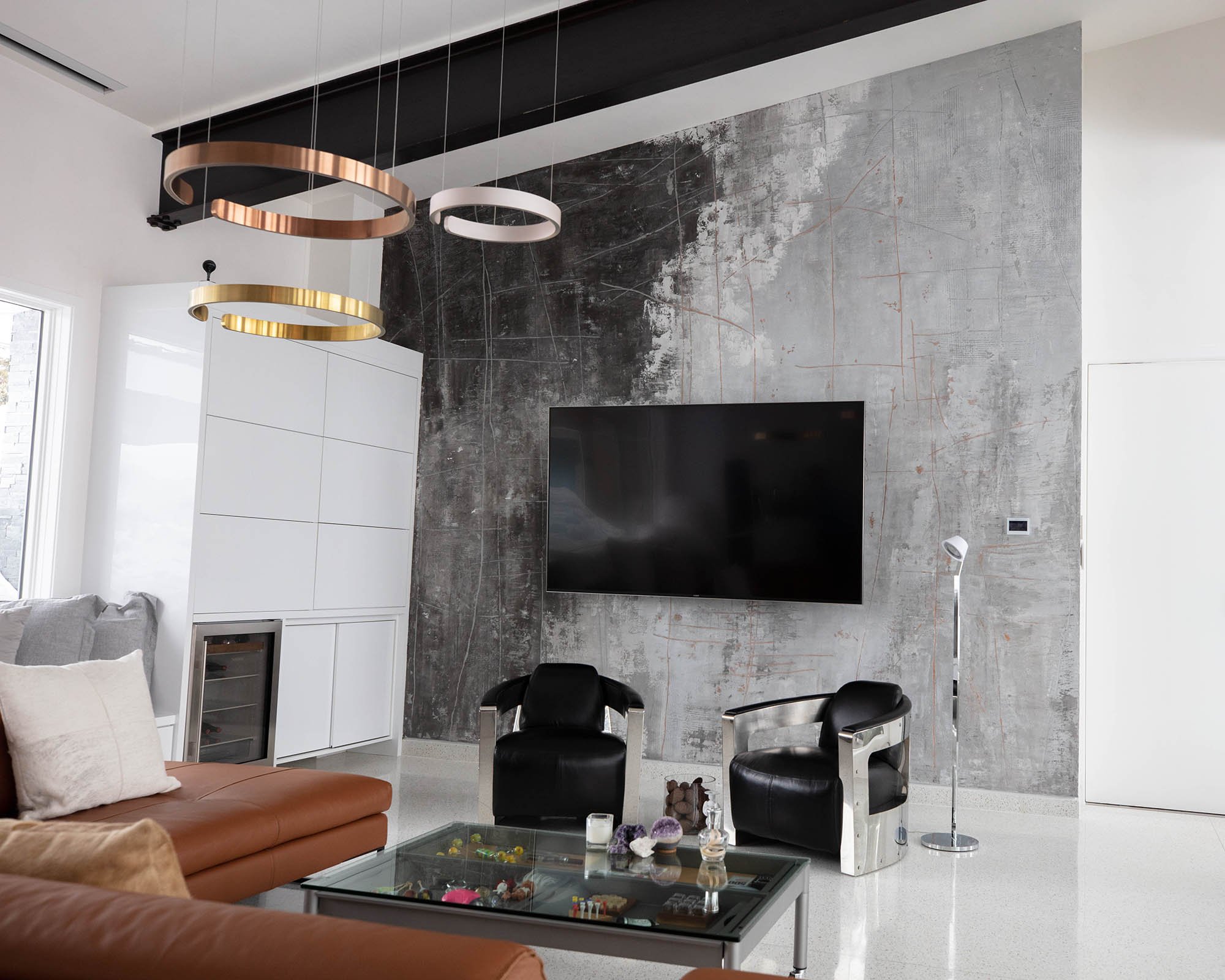
In trainings and conversations with contractors, we often hear the same thought expressed in different ways: decorative finishes look interesting and profitable, but adding them feels like it might complicate an already busy business.
The reality is that most contractors who successfully introduce lime plasters and mineral finishes do not reinvent their company. They expand it carefully, adding new capabilities in ways that fit their existing workflow.
The Biggest Misconception About Decorative Finishes
One of the most common assumptions is that decorative work requires becoming an artist overnight or building an entirely new division of your business. Contractors often imagine specialized crews, unpredictable timelines, or projects that slow production to a crawl. Whether coming from a painting background or traditional plaster work, many professionals discover that decorative finishes rely far more on process and repeatable technique than artistic talent.
In practice, decorative finishes are skilled trades work. Like any coating system, they rely on process, preparation, and repeatable technique. Lime plasters and mineral finishes may look artistic, but they are learned through method and experience, not natural talent.
What surprises many contractors is how often decorative finishes integrate into work they are already doing. Instead of replacing repaint projects, they typically appear as upgrades within them.
Three Practical Ways Contractors Begin Adding Decorative Finishes
There is no single path into decorative work. Most contractors start in ways that feel manageable and low risk.
1. Add Decorative Finishes Inside Jobs You’re Already Doing
The simplest starting point is adding decorative finishes to projects already on your schedule. Accent walls, powder baths, dining rooms, ceilings, niches, or built-ins allow contractors to introduce lime plaster or mineral finishes without changing their marketing or client base.
Because you are already on site and the client is already investing in the space, the decorative finish becomes an upgrade rather than a separate service line. This approach allows contractors to learn while working, keeping risk contained to a small area while building confidence and real-world experience.
2. Become Known for One Finish First
Another successful approach is choosing one finish and focusing on it until the process becomes predictable. Rather than offering every decorative option immediately, contractors often begin with a single plaster look, limewash effect, or mineral-based texture that fits their market.
Focusing on one finish simplifies pricing, improves efficiency, and makes it easier to communicate value to clients. Confidence grows quickly when the application process becomes repeatable and results are consistent.
3. Use Decorative Finishes as a Differentiator, Not a Volume Play
Some contractors introduce decorative finishes not to increase workload but to improve project quality and margins. Lime plasters and mineral finishes naturally attract clients who value craftsmanship and design detail, helping contractors stand apart from price-driven competition.
Instead of chasing more jobs, decorative finishes can help shift the type of work coming in, creating opportunities for higher-value projects without increasing overall volume.
What Contractors Usually Worry About and What Actually Happens
Before learning decorative finishes, contractors tend to share similar concerns.
They worry projects will take too long. In reality, once techniques are understood, many finishes integrate smoothly into schedules, especially when used strategically in feature areas rather than entire homes.
They worry their crews may struggle to adapt. What often happens instead is increased engagement. Team members frequently take pride in learning a specialized skill that elevates their craftsmanship.
They worry about profitability. Decorative finishes typically command higher perceived value because clients recognize them as specialty work. When priced appropriately, they can improve margins rather than reduce them.
Most importantly, contractors discover that learning decorative finishes is incremental. Skills build project by project rather than requiring instant mastery.

When Training Starts to Make Sense
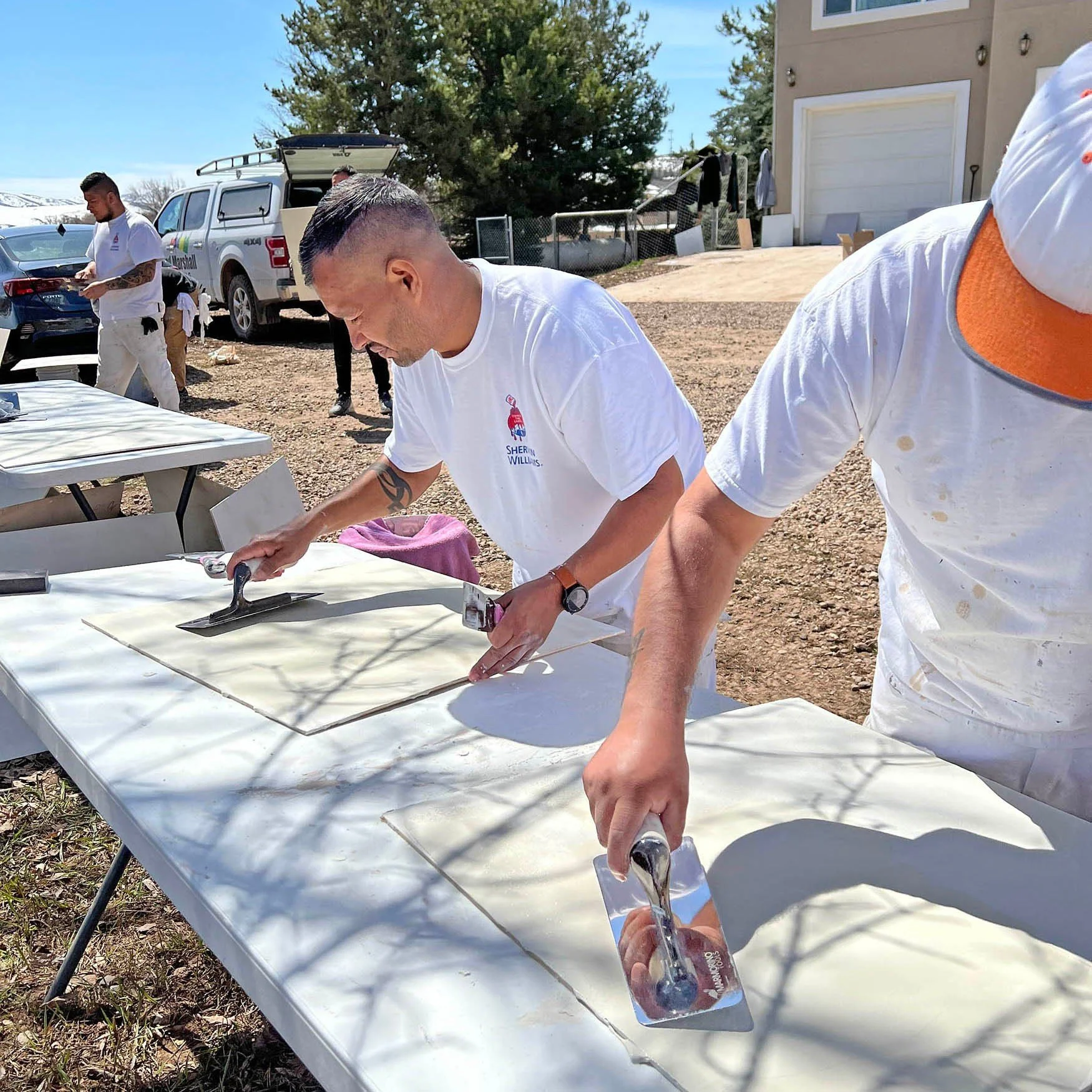
Many contractors experiment first, but there comes a point when structured learning becomes valuable. Some attendees come from painting backgrounds introducing lime plasters for the first time, while others already work with plaster and want to expand into specialty mineral and decorative finishes.
Training often makes sense when contractors begin receiving client interest but feel uncertain about quoting or execution. It becomes especially helpful when consistency matters, when teams need shared techniques, or when contractors want to avoid costly trial and error on active job sites.
Learning directly from experienced instructors shortens the learning curve and provides clarity around materials, surface preparation, application methods, and realistic expectations for lime plasters and mineral finishes.
Rather than replacing field experience, training helps ensure that early projects build confidence instead of frustration.
Decorative Finishes Don’t Require a Leap, Just a Starting Point
The contractors who successfully add decorative finishes rarely make dramatic changes overnight. Most begin with one wall, one finish, or one client willing to try something new.
Over time, those small decisions expand skill sets, attract different types of projects, and create new opportunities within an existing business structure.
Lime plasters and mineral finishes are not a departure from painting. They are an extension of craftsmanship already rooted in surface preparation, material understanding, and attention to detail.
For many contractors, the shift begins simply by understanding what is possible and taking the first manageable step forward.
If you’re considering how lime plasters or mineral finishes could fit into your services, our custom training sessions are designed specifically for paint and plaster professionals who want practical, real-world instruction without disrupting their business. You can learn more about upcoming trainings and what to expect here.