
Do You Need Special Training Before Offering Decorative Plaster and Specialty Finishes?
It is one of the most common questions we hear from paint contractors and plaster professionals who are considering adding decorative work to their services, and it deserves a real answer.
The short version: no, you do not need formal training before you ever touch a decorative plaster or specialty finish. Many contractors begin with experimentation, reference materials, and trial runs on their own time, and some get surprisingly far that way. But the more complete answer involves understanding what training actually does and when it starts to matter.
The range of finishes worth considering is broader than many contractors expect. Lime plasters and mineral finishes are a natural starting point, but specialty coatings like metallics and oxidation effects are also within reach for contractors who want to offer something genuinely distinctive. The entry point and learning curve vary by finish, and that is part of what a training conversation is designed to sort out.
What Happens Without training
Decorative finishes are not forbidden territory for someone willing to learn independently. Lime plasters and mineral finishes follow processes that can be studied, practiced, and gradually understood through hands-on repetition.
The challenge is that early trial and error tends to happen on active job sites, on client walls, under real deadline pressure. Mistakes made in that environment have real costs in materials, time, client confidence, and sometimes rework. Most contractors who have gone through that phase will say the same thing: the learning curve was steeper than expected, and a lot of the frustration was avoidable.
Independent experimentation also has a ceiling. A contractor can learn to apply a finish reasonably well without fully understanding why certain steps matter, how surface preparation affects the final result, or what to do when something goes wrong mid-application. That gap tends to show up at the worst possible moment.
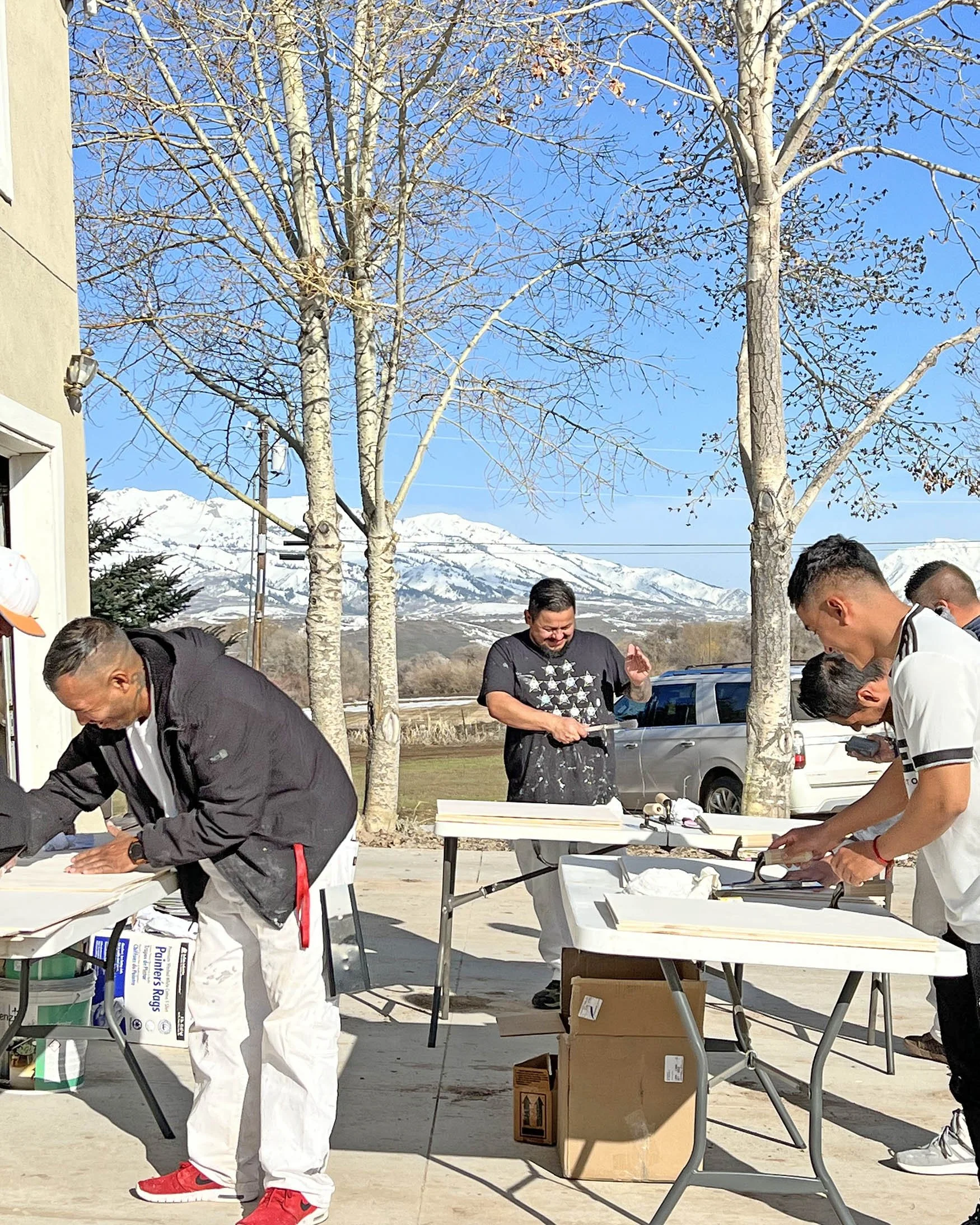
What Training Actually Changes
Structured training does not make decorative finishes easy. It makes them predictable.
When a contractor understands the material, how it behaves, what it responds to, what variations in technique produce, the work becomes repeatable. Repeatable work is priceable, and priced correctly, decorative finishes improve margins rather than complicate them.
Training also compresses time. Skills that might take two years of inconsistent field experience to develop can take shape in a focused hands-on session, because the instruction is built around the specific finishes being learned and the questions the applicator actually has.
For teams, training does something else worth noting. It creates shared language and shared technique, and two crew members who learned the same process from the same source will produce more consistent results than two people who figured things out separately on different jobs.
When Training Makes the Most Sense
There is no universal right moment, but a few situations come up consistently.
A contractor starts getting client interest in decorative finishes but feels uncertain about how to quote the work or whether the execution will hold up. That uncertainty is expensive, leading to underpricing, over-explaining, or walking away from jobs that would have been profitable.
A team has been doing some decorative work but results are inconsistent from job to job, looking different depending on who applied the finish or how much time was available. Consistency problems like that are difficult to solve without going back to the foundation.
A contractor wants to add one specific finish and offer it with confidence, not five finishes, just one, done well and communicated clearly to clients. Training built around that finish creates a repeatable process and a service that can be marketed, priced, and delivered predictably.
How Custom Training Works
Our training programs are built around what a contractor or team actually wants to learn, not a fixed curriculum delivered the same way every time.
Before a session, we talk through the finishes the contractor is interested in, the types of projects they work on, and what they want to walk away knowing. From there, we build the program around those specifics.
Training can happen at the contractor's location, in a client space, or in our studios in Minneapolis, Miami, New York, Los Angeles, and Knoxville. Some contractors bring their full team. Others send one person first to build initial expertise before teaching it back to their crew. Some want hands-on instruction built around finishing an actual space together, with guidance throughout. Online options are also available for contractors who want an overview before committing to hands-on time.
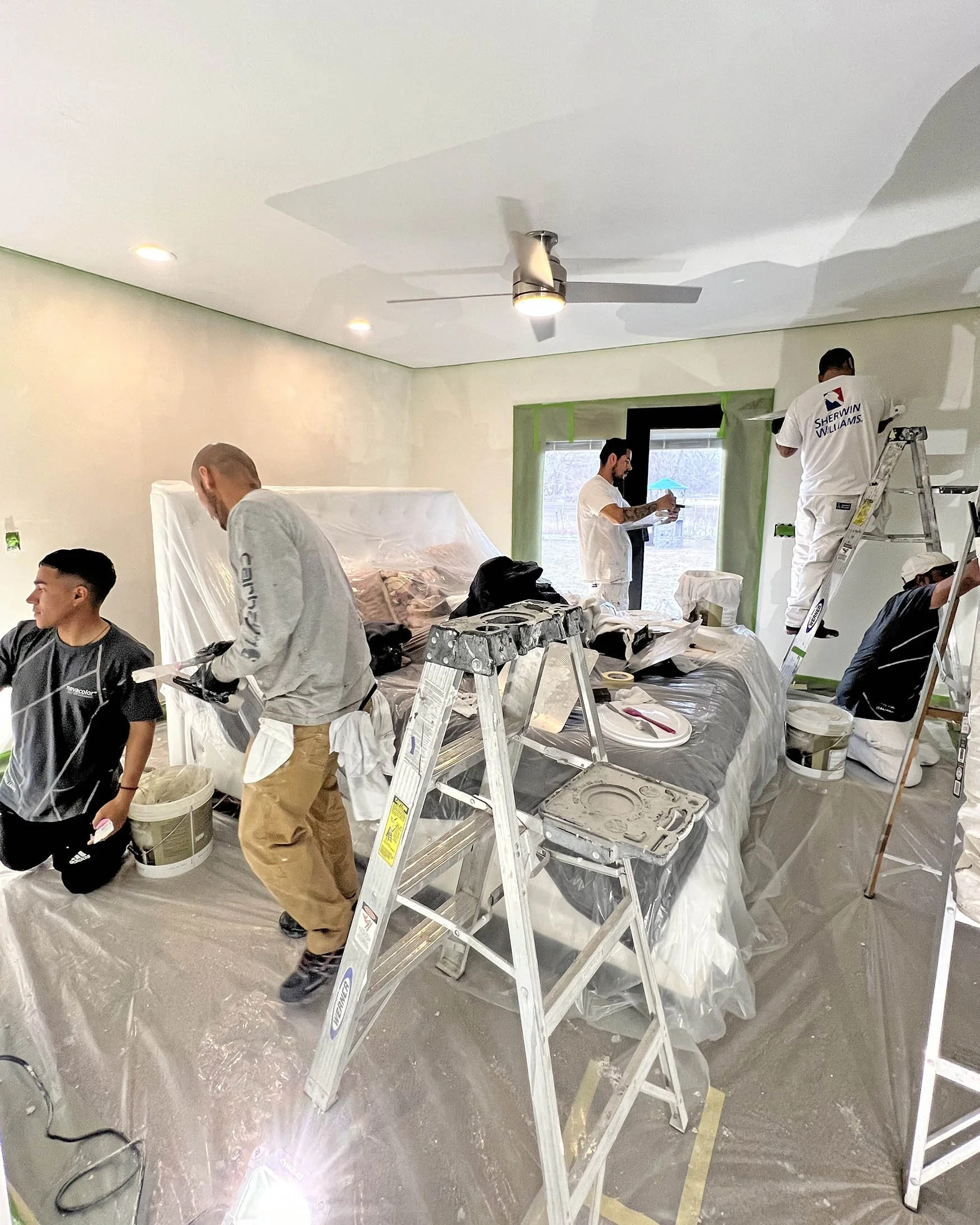
There is no single format that fits every business. The goal is to match the training to where the contractor is and what they need next.
WHERE TO START
Training is not a prerequisite. It is an investment in getting the early part right, skipping the most expensive mistakes, and reaching a level of consistency that makes decorative finishes genuinely profitable rather than just occasionally successful.
Many contractors who come to us for training are not beginners. They have done some decorative work, they have a sense of what they want to offer, and they have reached the point where they want results they can count on rather than results they hope for. That tends to be when training pays for itself fastest.
If you are thinking about adding decorative finishes or want to bring more consistency to work you are already doing, we are glad to talk through what a custom program could look like for your business. You can learn more about our training and reach out here.