
Yes, Textured Walls Can Have Decorative Plaster and Finishes
One question comes up in almost every conversation we have with homeowners and designers. They have fallen for a plaster finish, maybe a smooth Venetian plaster or a soft metallic with a velvety sheen, and then they look at their own walls. Orange peel. Knockdown. The texture that came standard with the house. The next question follows right behind it: can our walls get there?
The answer is yes. Textured walls are good candidates for decorative plaster and finishes. What changes from one wall to the next is how much preparation comes first.
Why so many walls are textured
Orange peel and knockdown are two of the most common wall textures in American homes. Builders favor them because they go up quickly and help disguise small imperfections in drywall. They do that job well, and they also leave a surface with peaks, valleys, and pattern that any decorative finish will follow.
That matters because a finish like Venetian plaster goes on in thin layers, and thin layers trace whatever sits beneath them. For a finish to look smooth and refined, the wall underneath needs to be smooth and even before the first coat goes on.
How a textured wall gets ready for plaster
The work starts with a skim coat. A skilled applicator spreads a thin layer of compound across the wall, filling the low spots and leveling the surface. Once it dries, it is sanded until the old pattern disappears into a flat, uniform plane.
From there, the wall receives the right primer for the finish going on top. Primer seals the surface so the decorative layer bonds well and dries evenly, and many decorative systems call for their own specific base coat. Matching the prep to the material is a big part of what makes a finish last. Each layer also needs time to dry fully before the next one goes on, and that patience shows in the finished wall.
Then comes the part everyone has been waiting for. The finish goes on a wall that is ready to show it off.
How texture changes the amount of work
Light orange peel is shallow, and it often levels out with less skim work. Knockdown has deeper valleys and broader raised areas, so it usually takes more material and more time to bring flat. Heavier, hand-applied textures may need several passes before the surface is ready.
None of these rule a wall out. Heavier texture means more preparation, and that preparation becomes part of the plan from the start. A good applicator looks at the wall, gauges the depth of the texture, and builds the prep around it. That assessment up front is what keeps the final surface clean and even.
It helps with planning, too. When designers and homeowners know the existing texture early, they can set expectations for timing and budget before the project begins, so there are no surprises once work is underway.
What your walls can become
Once the surface is ready, the range of possibilities opens up. These three finishes show how different the destination can be.
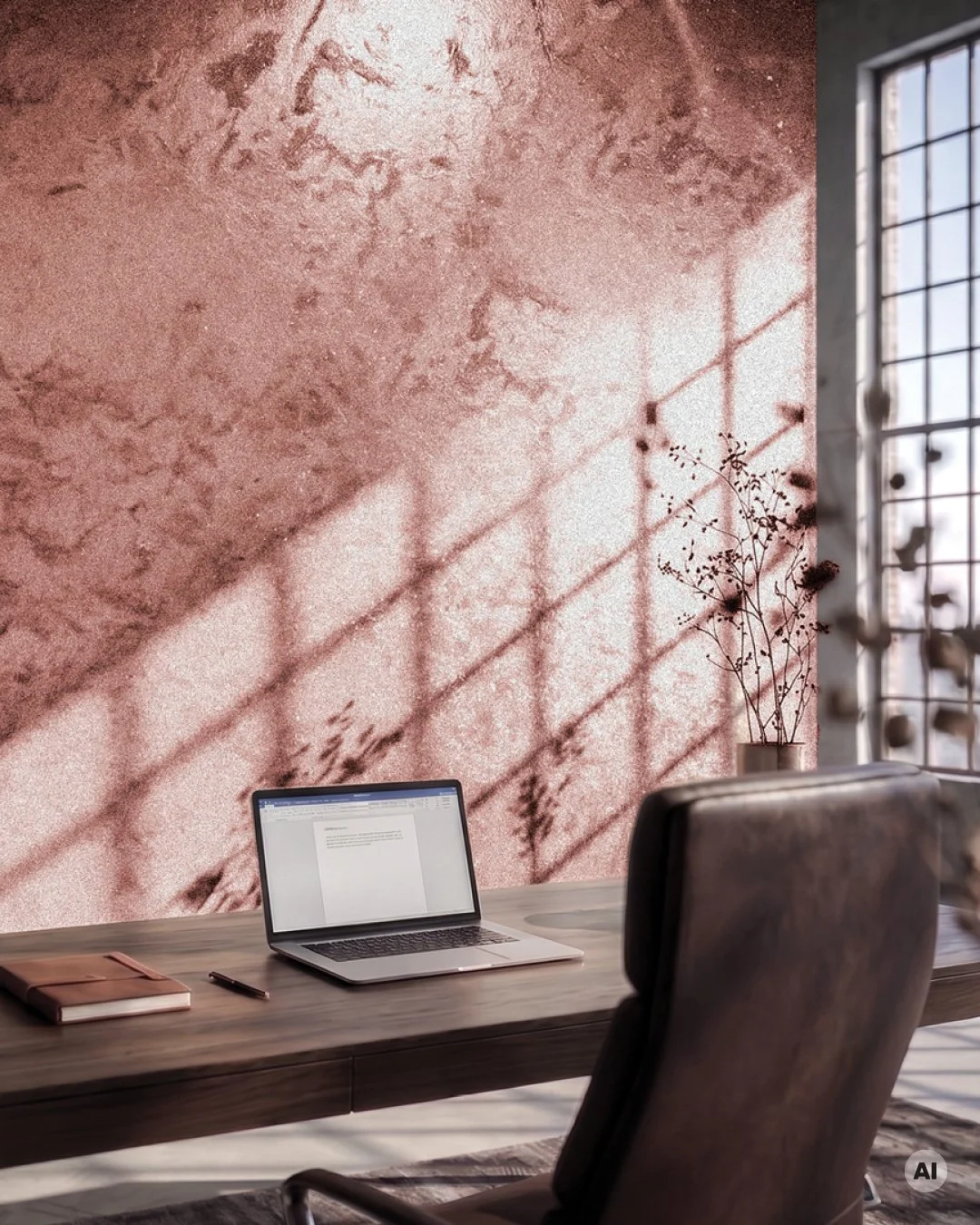
Africa is a decorative interior coating with metallic patterns. It creates a soft, velvety texture that plays with light, and when the second coat is compressed with a trowel while still wet, it takes on a gentle damask effect. The colors carry names inspired by African cities, and the finish reads as elegant without feeling heavy.
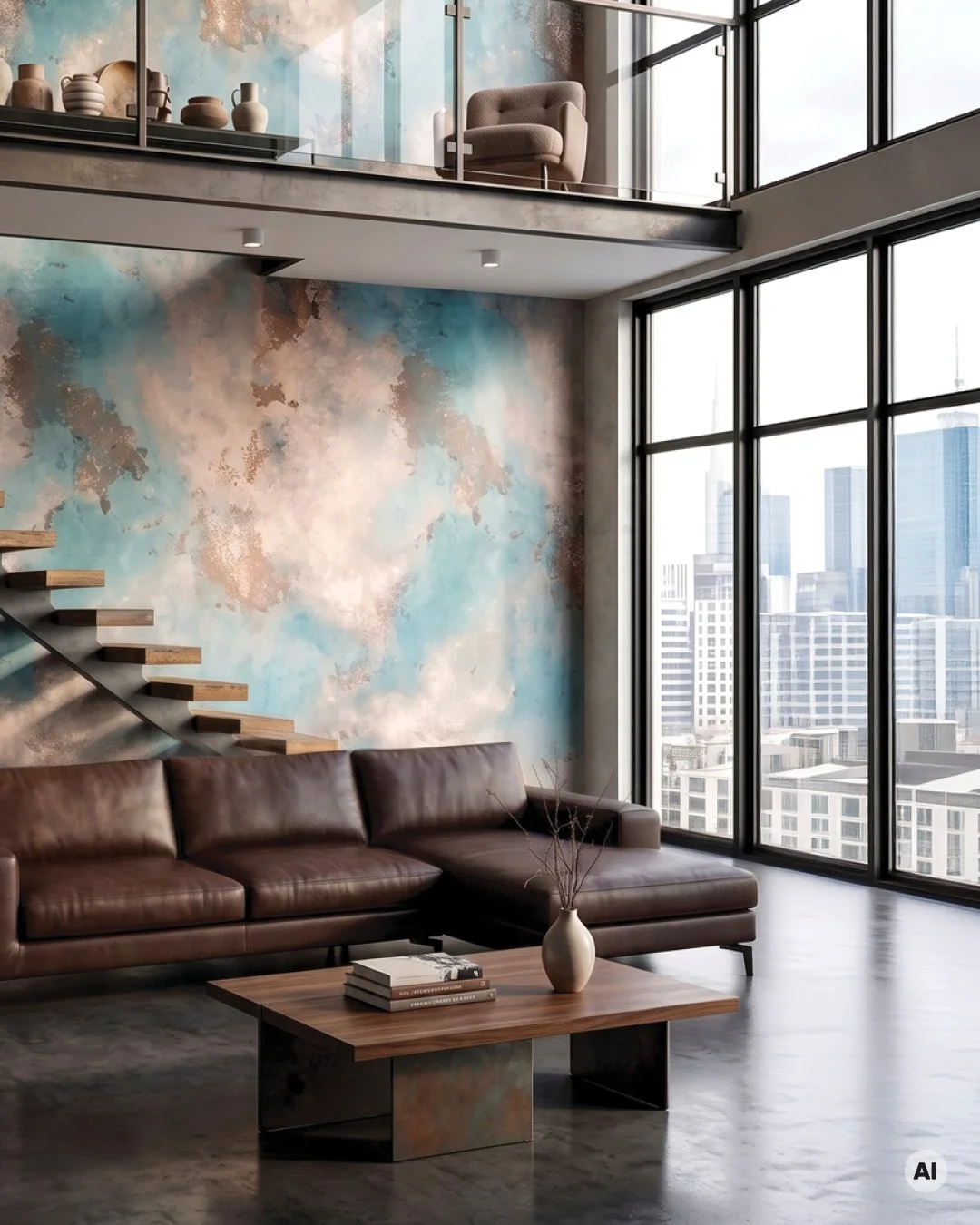
Verderame Wall Painting brings the look of oxidized copper to a wall. An oxidizing liquid develops blue-green verdigris tones across a metallic base, so each surface takes on its own pattern of color. It works on interiors and exteriors, and its aged, mineral character feels right at home in modern spaces.
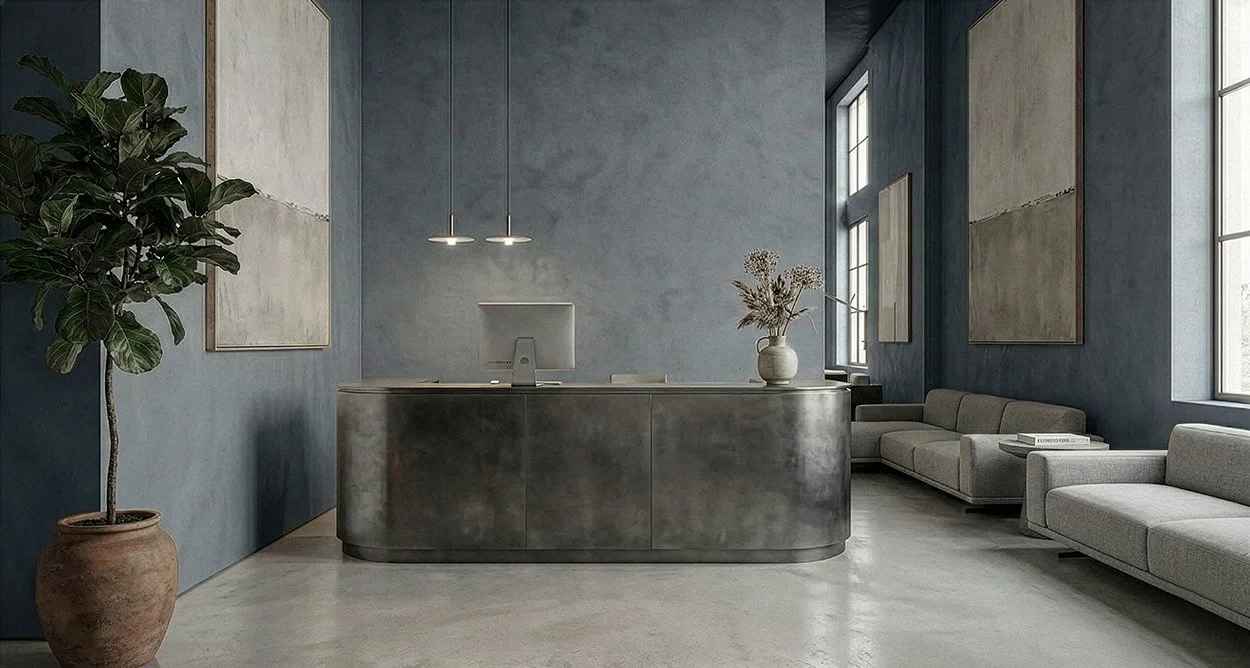
VP Suede is the newest finish in this group. It is a lime-based coating with a soft satin effect, and its texture shifts gently across the wall while the overall surface stays calm and even. The palette spans neutrals, earth tones, blues, and greens, and it carries A+ certification for low emissions, so it feels as right in a reception area as it does in a bedroom.
Each of these relies on the same foundation. A smooth, well-prepared wall lets the finish show its full character, and that is true whether the look you love is bold and metallic or soft and understated.
Where to begin
If you are looking at textured walls and picturing plaster, start with a conversation. Tell us what texture you have now and which finish has your attention, and we can talk through what preparation the wall will need and point you toward the right next step.
A few clear photos of the wall in natural light, along with a sense of how the room is used, help us give you a more useful answer from the start. Close-up shots of the texture are especially helpful, since they show how deep the pattern runs and how much leveling the surface will need.
Reach out anytime at bethann@novacolornearme.com.
Frequently asked questions
Do textured walls need to be torn out before plaster goes on? No. The existing drywall stays in place. A skim coat levels the texture and creates a smooth surface, so the wall is ready for plaster without demolition.
Can decorative plaster go over painted walls? Yes. Painted walls are a common starting point. With the right preparation and a primer suited to the finish, the plaster bonds well and dries evenly.
Who should do the prep and application? A trained applicator. Preparation and finish work go hand in hand, and an experienced applicator can assess your wall, plan the prep, and guide you through the finish that suits your space. If you need help finding someone in your area, let us know. We can help connect you with a skilled applicator near you.
Credits / Material: Africa, Verderame Wall Painting, VP Suede